When it comes to building maintenance or repairs at height, choosing the right access method is crucial. For years, scaffolding has been the default solution—but times have changed. Today, many property managers, contractors, and building owners are choosing rope access instead of scaffolding.
At Orb Rope Access, we provide safe, efficient, and cost-effective access solutions using certified rope access techniques. If you’re comparing rope access vs scaffolding, or wondering is rope access better than scaffolding, read on—we’ll explore the differences and help you make an informed decision.
Rope Access vs Scaffolding: What’s the Difference?
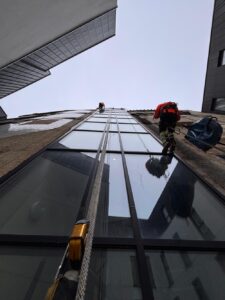
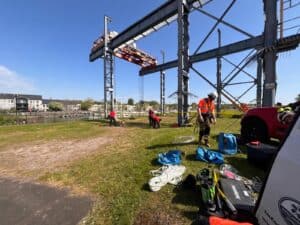
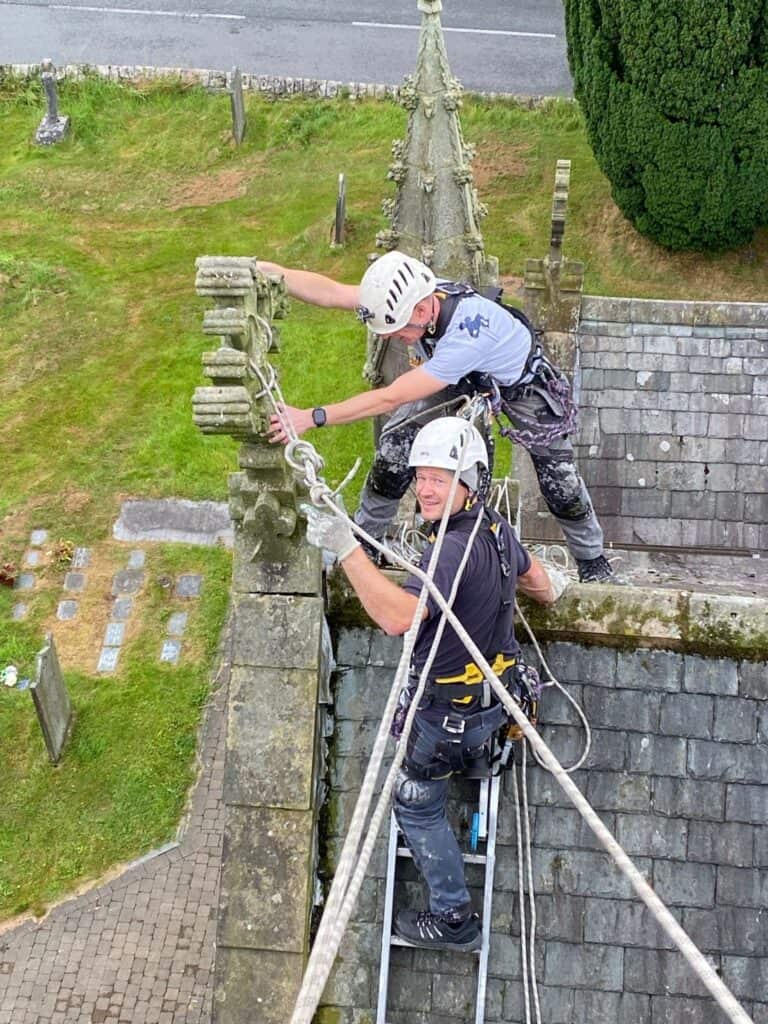
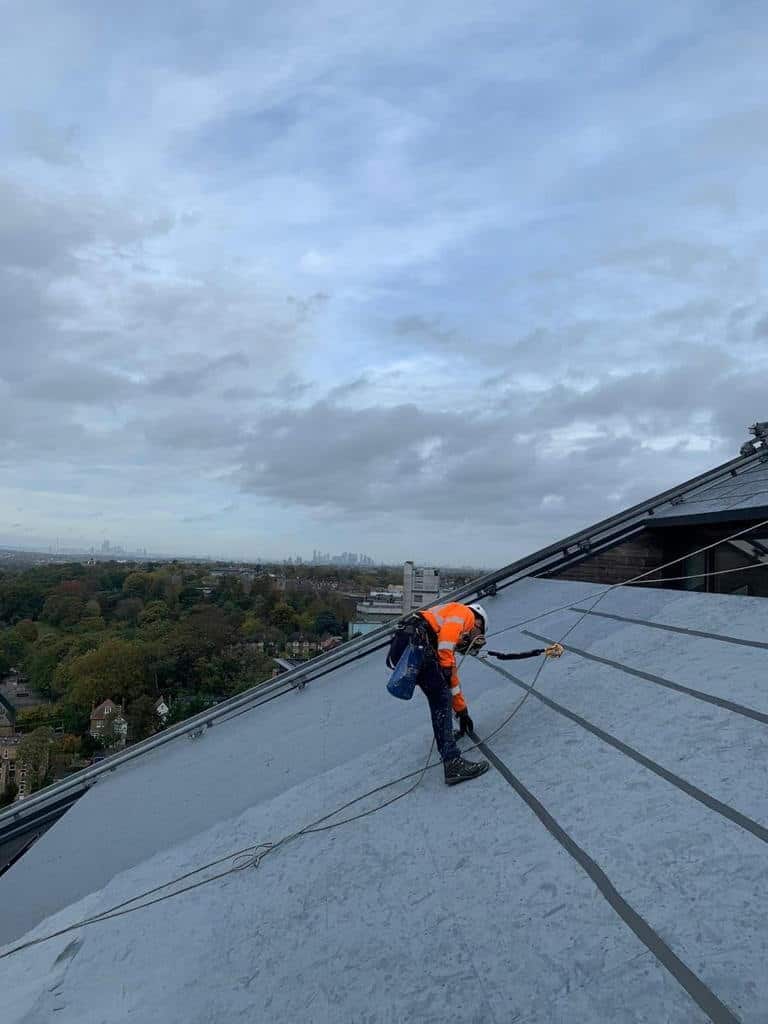
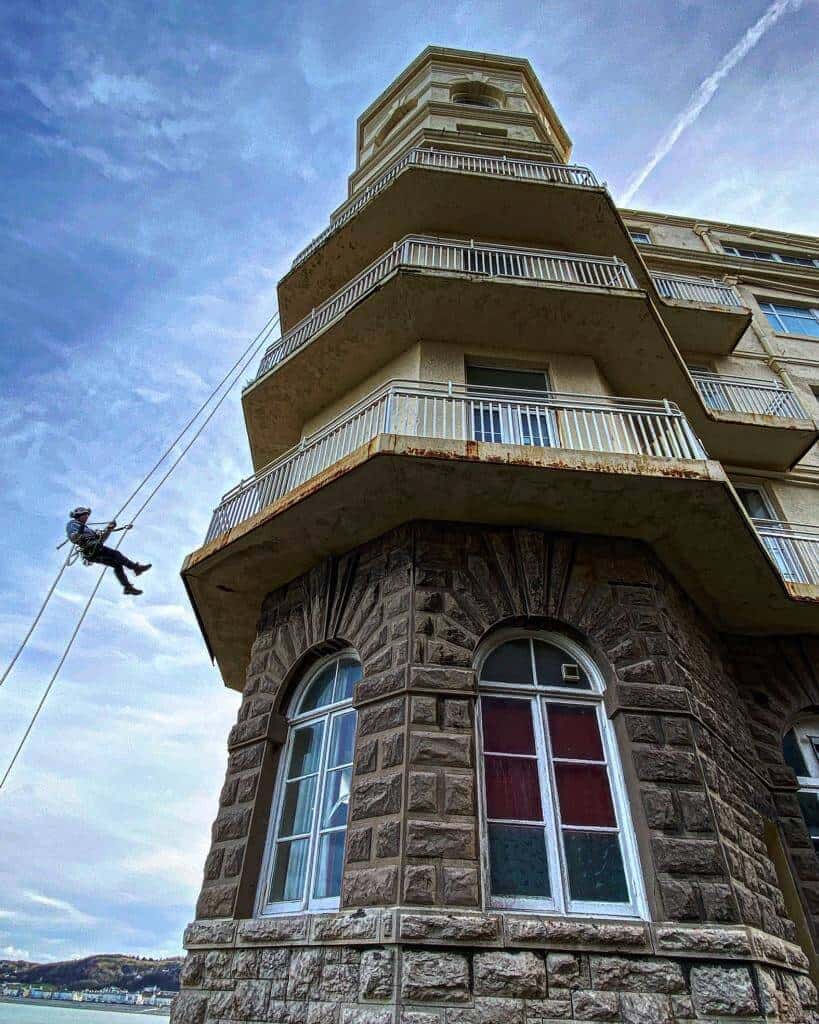
Rope access involves technicians using ropes, harnesses, and anchor systems to carry out tasks while suspended from buildings. It’s commonly used for building maintenance, inspections, and cleaning on high rise buildings and structures that are difficult to reach.
Traditional scaffolding, on the other hand, involves setting up scaffolding platforms around a structure. While it provides a stable workspace, scaffolding is heavy, takes time to install, and can cause disruption.
So, is rope access better than scaffolding? For many types of work at heights, the answer is yes—and here’s why.

1. Speed and Setup Time
One of the key benefits of rope access over scaffolding is speed. Setting up scaffolding can take days or even weeks, especially on tall or complex buildings. In contrast, our team of rope access technicians can mobilise quickly, often starting work within hours of arrival.
This makes rope access ideal for short-term tasks like repairs, inspections, or emergency callouts. Less setup means faster results and less inconvenience for building users.
2. Cost-Effective Access Solutions
Rope access offers significant cost savings compared to scaffolding. There’s no need to transport tons of materials, pay for scaffolding permits, or hire crews to assemble and dismantle platforms. Our rope systems are compact, efficient, and ready to go.
When budgets are tight, or when you need to avoid unnecessary overheads, rope access is the cost-effective choice.
3. Minimal Disruption
Unlike scaffolding, which can block paths, limit access to buildings, and become an eyesore, rope access requires no ground-level space. Our technicians arrive with lightweight equipment and leave no trace behind.
For commercial buildings, schools, hospitals, and residential sites, minimal disruption is essential. Rope access provides access without the clutter.
4. Access to Confined and Difficult Areas
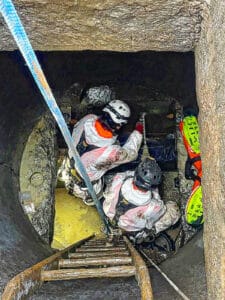
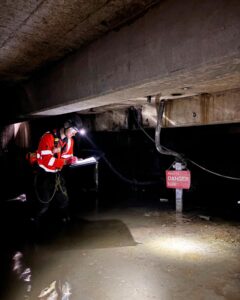
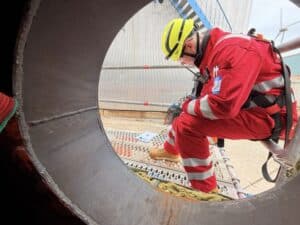
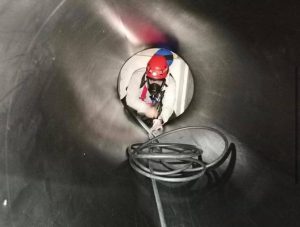
One major advantage of rope access is its flexibility. Some buildings have narrow alleyways, steep roofs, or unusual designs that make them difficult to reach. Others may involve working in a confined space, where scaffolding simply won’t fit.
Our IRATA certified rope access technicians are trained to operate in all environments—including vertical surfaces, overhangs, and enclosed areas. Rope access allows us to reach even the most complex or awkward sections of a structure safely.
5. Better for High Rise Buildings
On high rise buildings, scaffolding is not only expensive and time-consuming—it can also become a long-term obstruction. Rope access provides a sleek and efficient alternative that allows technicians to work at any level without blocking windows, entrances, or views.
For towers, apartments, and multi-storey office blocks, rope access is the preferred solution for fast, unobtrusive building maintenance.
6. High Safety Standards and Excellent Safety Record
Is rope access safe? Yes. In fact, when performed by professionals, rope access has one of the best safety records in the industry.
At Orb Rope Access, all our technicians undergo rigorous training and hold IRATA (Industrial Rope Access Trade Association) certification. We use the latest safety standards, perform thorough risk assessments, and inspect our equipment regularly. Every job is planned with precision and care.
Compared to traditional scaffolding, which involves more ground-level hazards and equipment movement, rope access often results in fewer incidents and a cleaner, safer workspace.
7. Environmentally Friendly
Rope access uses less material, requires fewer transport resources, and causes less disruption to the environment. Without the need to erect and dismantle metal structures, it’s a lower-impact solution from start to finish.
For organisations focused on sustainability, this is another important reason to consider rope access instead of scaffolding.
When Should You Choose Rope Access?
Rope access is ideal for:
- Window and façade cleaning
- Roofing and gutter repairs
- Cladding and painting
- Signage or banner installation
- Structural inspections
- Leak detection
- Confined space access
- Emergency or short-term projects
It works across industries and building types, providing fast, flexible access with minimal setup.
When Is Scaffolding Still Useful?
While rope access offers clear advantages, there are cases where scaffolding may be the better option—especially for long-term projects that require material storage at height or for tasks involving multiple trades working simultaneously.
However, for most maintenance, cleaning, inspection, or access-only work, rope access is not just faster and cheaper—it’s better.
Why Choose Orb Rope Access?
We’re not just rope access specialists—we’re problem solvers. Whether you manage a housing estate, own a listed building, or run a commercial site, we provide access solutions tailored to your needs.
✔ IRATA certified rope access technicians
✔ Fully insured and safety-compliant
✔ Competitive pricing and honest quotes
✔ Minimal disruption to people and property
✔ Fast turnaround with outstanding results
✔ Experience across a wide range of structures and sectors



Book a Free Consultation
Still comparing rope access vs scaffolding? Let us show you how rope access can save you time, money, and stress.
📞 Call Orb Rope Access today to find out if rope access is the better solution for your next project.
📩 Or contact us online and we’ll be in touch to book your consultation.
No scaffolding. No delays. Just fast, professional rope access—done right.